
New research on brand partnerships from Ideally & Amazon Ads reveals 97% of viewers welcome brand integrations, if brands stop confusing saturation with craft.
For years, some marketers have treated brand integrations as a gamble, assuming viewers inherently resent commercial presence in their favorite shows. Fresh research from Ideally and Amazon Ads proves that narrative is wrong.
While the study is based on Australian audiences, its pretty relevant to all markets, and is an interesting insight into how people actually feel about seeing brands in content.
Only 3% of Australian viewers actively oppose brand integrations. That means 97% of your target audience is open to brand presence. Furthermore, 30% say a great integration actively enhances their show enjoyment, and 15% find brand entertainment significantly more authentic than standard 30-second TV spots.
So where are brands failing? In the pursuit of media reach over creative craft. 41% of Australians call a collaboration forced when the brand simply “appears everywhere” without purpose. Smeared logos and passive placement signal laziness—and modern audiences are keeping score.


THE TLDR ⚡️
THE DATA: Research by Ideally & Amazon Ads auditing 1,236 Australian viewers.
THE GOOD NEWS: 1 in 4 Australians unprompted recall brand integrations around content. 30% say good integrations improve the viewing experience.
THE BAD NEWS: 41% view partnerships as “forced cash-grabs” when brands saturate a show without creativity. 12.4% cite “cheesy execution” as their top turn-off.
THE DEMO GOLDMINE: Unprompted recall jumps to 56% among 18–24 year-olds and delivers a 20% positive sentiment surge in young families.
THE LESSON: Reach buys eyeballs, but craft buys memory. Start building native show integrations not forced moments.
Key Stats for your next presentation:
97% Australian viewers who do NOT oppose brand integrations in content.
41% Viewers who say a collaboration feels forced when the brand simply “appears everywhere”.
30% Viewers who state brand integrations actively enhance their show enjoyment.
56% Unprompted recall rate among 18–24 year-olds (nearly 2x the national average).
20% Families with young children who report a “very positive” reaction to brand content.
12.4% Respondents who cite “cheesy execution” as the single biggest reason they roll their eyes.
Source: Amazon Ads and Ideally, From Meh to Memorable, 2026
3 EXECUTABLE LESSONS FOR CMOS & STRATEGISTS
Craft > Frequency: Saturation without story signals desperate marketing. Viewers don’t mind big-budget presence; they mind lazy presence.
Target the Youth & Family: 18–34s and young families are twice as likely to remember and act on integrations compared to older demos.
Respect the Universe: 33% of respondents state tone fit and values alignment are essential for a partnership to feel earned rather than forced.
Case Study: Running Point + Sephora
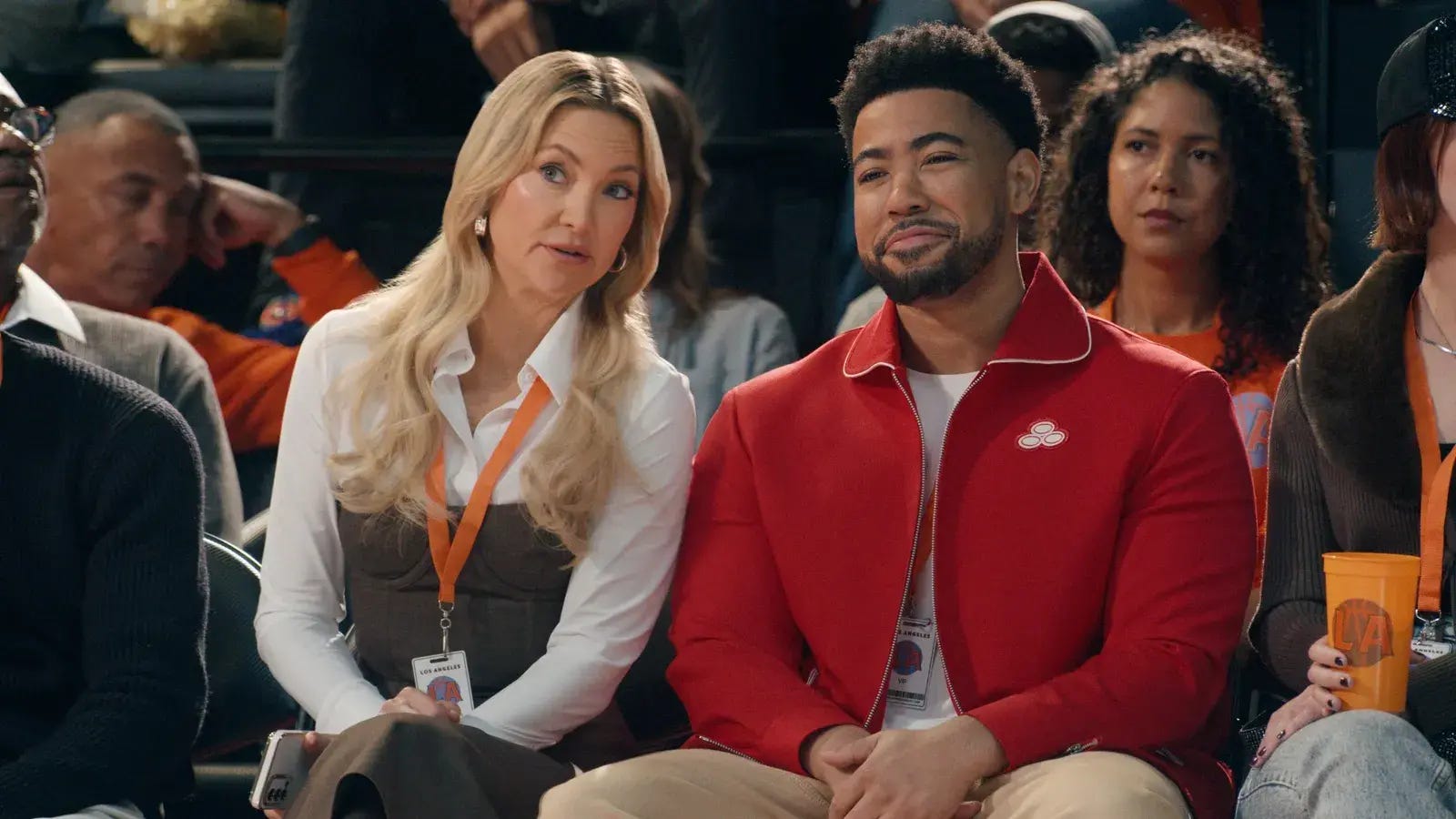
When Mindy Kaling’s Netflix comedy series Running Point put Kate Hudson in charge of a fictional pro basketball franchise, Sephora didn’t just pay for background placement or a forced 5-second product closeup. Instead, they executed a seamless integration that fit naturally into the narrative fabric of the show.
WHY IT WORKS:
Character-Led Utility: Products appear organically in fast-paced courtside touch-ups, press-conference glam routines, and an upgraded locker room for the cheerleaders as part of the storyline.
The Cultural Crossover: It bridges two massive, passionate fandoms: sports entertainment and beauty culture, without alienating either. By framing beauty through the lens of performance, pressure, and leadership, it expands Sephora’s reach into sports culture seamlessly.
Contextual Belonging: Because the placement respects the show’s comedic rhythm and character authenticity, viewers don’t feel sold to; they feel like they’re getting an unscripted peak behind the scenes of front-office life.
THE LESSON FOR MARKETERS:
Sephora and Netflix proved that the best integrations don’t pause the story to pitch a product, they use the product to tell a better story. When brand placement amplifies character and context, passive viewers turn into high-intent brand fans.


